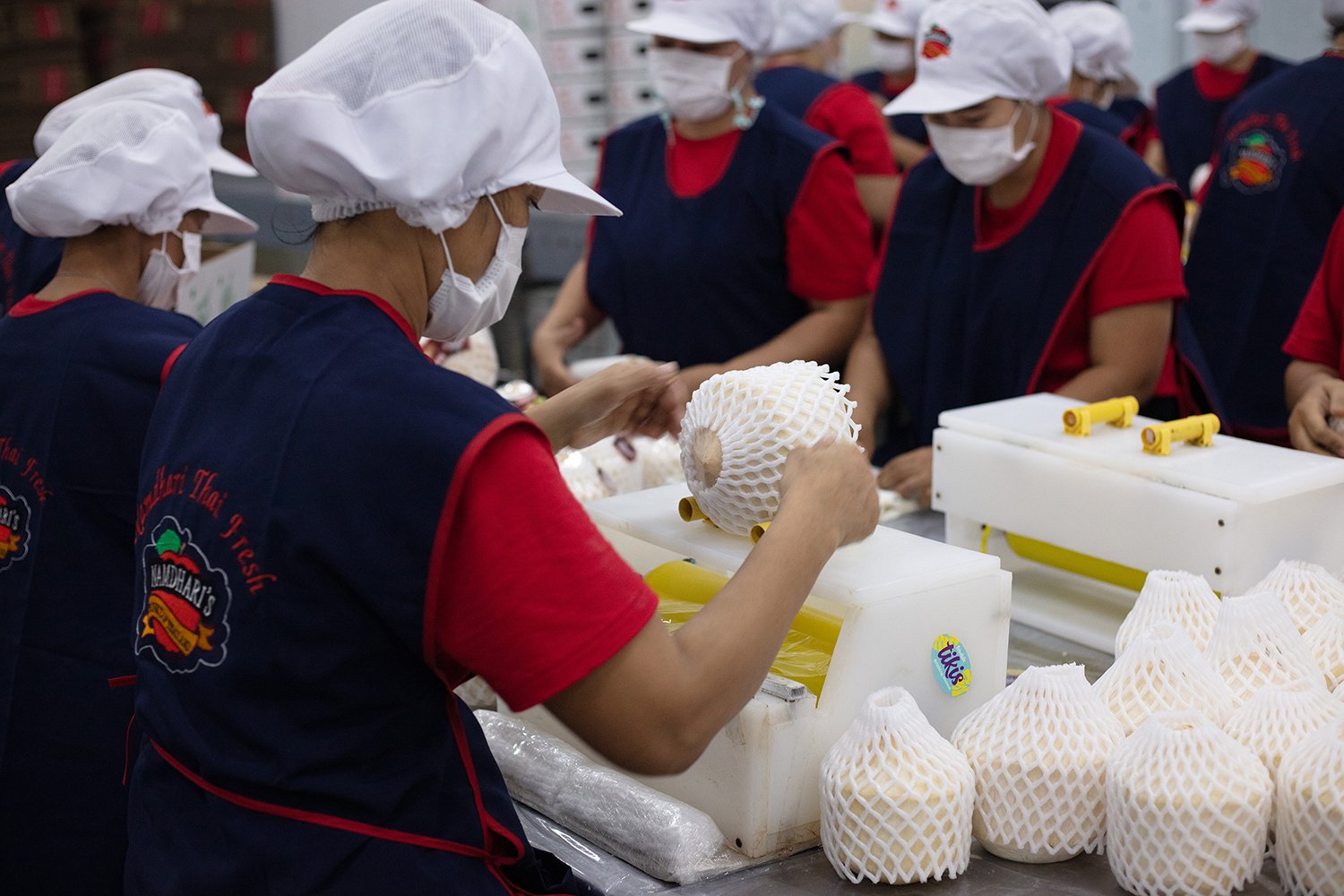
For buyers working in wholesale, retail, hospitality, or food distribution, product quality always matters, but freshness on its own is only part of the decision. The stronger question is whether a supplier can deliver produce in the right condition, in the right format, and with the consistency needed to support ongoing trade. That is why businesses looking for a fresh Thai coconut supplier are usually assessing far more than the fruit itself. They are looking at reliability, handling standards, and whether the supplier can support commercial expectations over time.
Quality Has to Hold Up Beyond Dispatch
A coconut may look excellent at the point of packing, but buyers are thinking further ahead than that. They need to know how well the product will travel, how it will present on arrival, and whether it will meet expectations once it reaches the next stage in the chain. That is where supplier standards start to matter just as much as the crop.
Fresh produce is highly sensitive to the way it is handled. Poor packing, weak stock control, or careless transport coordination can reduce saleability long before the product reaches its end destination. For buyers, that creates waste, margin pressure, and unnecessary uncertainty.
A dependable supplier helps reduce those problems. The goal is not simply to send fresh produce out the door, but to ensure it still performs commercially when it gets where it needs to go.
Buyers Need Confidence in the Supply Process
Sourcing decisions are easier when the supplier gives buyers confidence in how the process is managed. That includes lead times, communication, preparation, packing, and the consistency of each order. If those areas feel unclear, even a strong-looking product can become difficult to rely on.
This is especially important for produce businesses managing customer commitments of their own. Retailers, distributors, and hospitality operators all need some level of predictability to plan properly. When supply feels stable, the buyer can focus more on sales and fulfilment rather than constantly chasing updates or worrying about quality variation.
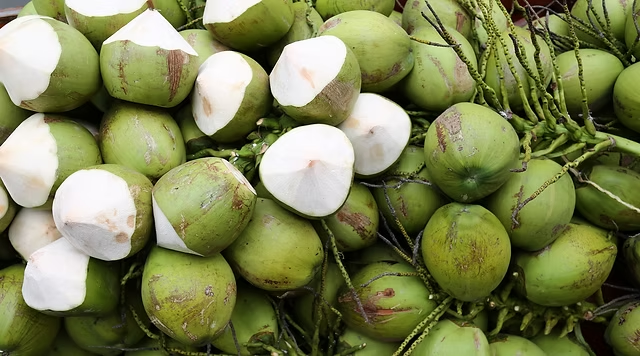
That reliability tends to become more valuable over time. A supplier who communicates clearly and handles orders well can support better decision-making across the buyer’s wider operation.
Product Suitability Matters as Much as Product Availability
Not every buyer needs the same thing, even when sourcing the same product. Some may prioritise appearance and presentation. Others may be more focused on export handling, shelf life, or suitability for particular end markets. A good supplier should understand that difference and support the product accordingly.
That is what often separates a straightforward seller from a more commercially useful supply partner. The product is not being viewed in isolation. It is being considered in the context of how it will be used, sold, displayed, or distributed.
When a supplier understands that wider picture, the relationship becomes more practical and more valuable. The buyer is not just receiving stock. They are receiving a product prepared with the realities of the market in mind.
Strong Supplier Relationships Usually Support Better Growth
As order volumes increase, the quality of the supplier relationship becomes more important, not less. Businesses need partners they can trust to maintain standards, respond sensibly, and keep the product moving in a way that supports growth rather than complicating it.
That is one reason buyers often stay with suppliers who prove dependable over time. Good produce supply is about more than price or availability in the moment. It is about building confidence in the standards behind each shipment and knowing that the product will continue to meet expectations.
For coconut sourcing, that combination of quality, handling, and reliability is often what matters most. Freshness may open the conversation, but it is the wider performance of the supplier that usually determines whether the relationship lasts.