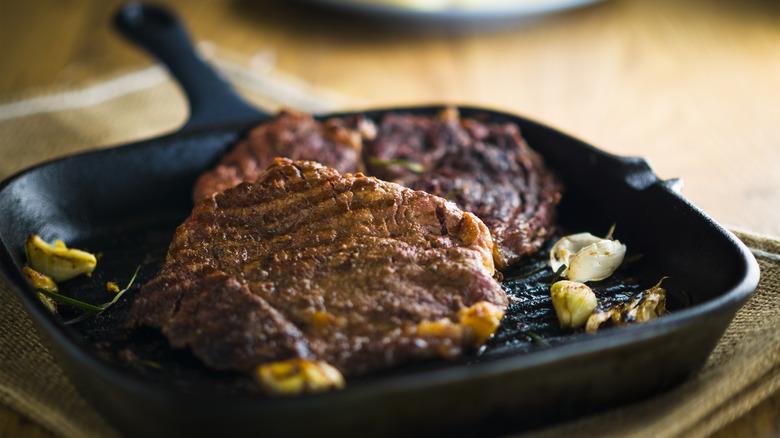
Texture plays a central role in how people experience food. Even when flavors are well balanced, poor texture can make a dish feel unfinished or unappealing. Professional kitchens place strong emphasis on texture because it affects satisfaction, presentation, and perceived quality. The good news is that improving texture does not always require advanced equipment or complicated recipes. A few reliable techniques can transform everyday cooking results immediately.
Understanding how heat, moisture, timing, and preparation methods influence texture allows cooks to produce more consistent and enjoyable meals at home.
Why Texture Matters as Much as Flavor
Texture influences how food feels in the mouth and how ingredients interact during eating. Crisp vegetables, tender meats, fluffy grains, and creamy sauces all contribute to a balanced dish.
Good texture creates:
- Contrast between ingredients
- Better sauce absorption
- More appealing presentation
- Improved bite satisfaction
- Greater overall meal enjoyment
Professional cooks often adjust texture before adjusting seasoning because it shapes the entire eating experience.
Searing Creates a Crisp Exterior Quickly
Searing is one of the fastest ways to improve texture in proteins such as meat, poultry, and seafood. High heat creates a flavorful crust while keeping the interior tender.
Effective searing requires:
- Drying the surface of the ingredient first
- Using a preheated pan
- Avoiding overcrowding the cooking surface
- Allowing food to remain still while browning
This technique produces a golden exterior that adds depth and structure to dishes instantly.
Searing also enhances aroma, which improves the perception of flavor.
Blanching Vegetables Preserves Crispness
Blanching involves briefly cooking vegetables in boiling water followed by immediate cooling in ice water. This technique locks in color while maintaining firmness.
Benefits of blanching include:
- Brighter vegetable color
- Improved tenderness without softness
- Reduced bitterness in some vegetables
- Easier peeling of certain ingredients
- Better preparation for stir-frying or freezing
Blanching works especially well for green beans, broccoli, asparagus, and leafy greens.
This technique keeps vegetables vibrant and crisp instead of dull and overcooked.
Resting Meat Improves Juiciness and Tenderness
Cutting meat immediately after cooking causes juices to escape quickly. Resting allows moisture to redistribute throughout the protein.
Resting meat helps:
- Maintain tenderness
- Preserve internal moisture
- Improve slicing consistency
- Enhance flavor distribution
Most meats benefit from resting for five to ten minutes depending on thickness.
This simple step improves texture without changing ingredients or cooking time.
Salting in Advance Improves Protein Structure
Seasoning meat with salt before cooking improves both flavor and texture. Salt draws moisture to the surface initially, then helps proteins retain that moisture during cooking.
Advantages of pre-salting include:
- Better browning
- Improved moisture retention
- More even seasoning
- Enhanced tenderness
Allowing salt to sit on the surface for at least fifteen minutes before cooking produces noticeable improvements.
This technique works especially well with poultry and red meat.
Using High Heat for Roasting Vegetables Enhances Texture
Roasting vegetables at high temperatures creates caramelization on the outside while keeping the interior tender.
To roast vegetables effectively:
- Spread them in a single layer
- Use enough oil to coat lightly
- Avoid overcrowding the tray
- Choose temperatures around 400 degrees Fahrenheit
These steps produce crisp edges and deeper flavor.
Roasting transforms vegetables from soft and plain into rich and satisfying components of a meal.
Whisking Eggs Properly Creates Lighter Results
Egg-based dishes benefit greatly from proper whisking technique. Introducing air into eggs changes their structure during cooking.
Whisking improves:
- Omelet fluffiness
- Scrambled egg softness
- Pancake texture
- Cake structure
Using a steady whisking motion before cooking creates lighter results immediately.
Avoid overmixing once cooking begins, as this can reduce softness.
Cutting Ingredients Uniformly Improves Cooking Consistency
Evenly sized ingredients cook at the same rate. Uneven cuts often result in some pieces overcooked while others remain underdone.
Uniform cutting supports:
- Consistent texture across the dish
- Better visual presentation
- Improved cooking timing
- Balanced flavor distribution
Using similar shapes and sizes helps achieve professional-quality results without changing recipes.
Knife technique plays an important role in texture control.
Toasting Grains Before Cooking Enhances Firmness
Toasting grains such as rice, quinoa, or couscous before adding liquid improves both flavor and texture.
Benefits of toasting include:
- Reduced stickiness
- Improved grain separation
- Enhanced nutty aroma
- More structured bite
A brief toasting step in oil or butter transforms grain-based dishes noticeably.
This method works particularly well for pilafs and side dishes.
Using Ice Baths Stops Cooking Immediately
Ice baths are essential when precise texture control is needed. After blanching vegetables or cooking eggs, transferring them to ice water stops the cooking process instantly.
Advantages of ice baths include:
- Preventing overcooking
- Preserving firmness
- Maintaining bright color
- Stabilizing delicate ingredients
This technique is simple but highly effective for improving results quickly.
Marinating Adds Tenderness Without Extra Cooking Time
Marinades influence texture by breaking down proteins slightly before cooking begins. Acidic ingredients such as citrus juice or yogurt help soften tougher cuts.
Effective marinade components include:
- Citrus juice
- Vinegar
- Yogurt
- Olive oil
- Herbs and spices
Short marinades improve tenderness without changing cooking methods.
Longer marinades work best for thicker cuts of meat.
Using Steam for Gentle Cooking Results
Steaming preserves moisture better than many other cooking techniques. It produces tender textures without requiring added fats.
Steaming works well for:
- Fish fillets
- Dumplings
- Vegetables
- Rice-based dishes
Because steam surrounds food evenly, it reduces the risk of uneven cooking.
This method helps maintain natural structure while improving softness.
Adding Crunch Through Texture Contrast
One of the easiest ways to improve a dish instantly is by adding contrasting textures.
Examples of contrast additions include:
- Toasted nuts on salads
- Fresh herbs over soups
- Crispy breadcrumbs on pasta
- Seeds sprinkled over roasted vegetables
Texture contrast increases interest and improves the overall eating experience.
Even simple dishes feel more complete with added variety.
Letting Dough Rest Improves Structure
Resting dough allows gluten strands to relax and moisture to distribute evenly. This step improves both elasticity and tenderness.
Resting dough benefits:
- Bread texture
- Pasta consistency
- Flatbread flexibility
- Pastry layering
Allowing dough to rest even briefly produces noticeable improvements in handling and final results.
This technique requires patience but delivers reliable texture enhancements.
Using Proper Oil Temperature Prevents Greasiness
When frying foods, oil temperature determines whether the result becomes crisp or greasy.
Maintaining correct temperature helps:
- Create golden crusts
- Reduce oil absorption
- Improve crunch
- Preserve interior moisture
Moderate to high frying temperatures produce the best results.
Testing oil with small samples before cooking larger batches improves consistency.
Layering Cooking Techniques Builds Texture Complexity
Combining multiple techniques creates more dynamic dishes. Professional kitchens often use several methods together to achieve balanced textures.
Examples include:
- Searing followed by roasting
- Blanching followed by sauteing
- Steaming followed by grilling
- Baking followed by broiling
Layered techniques produce both structure and contrast within the same dish.
This approach creates restaurant-quality texture at home.
Monitoring Moisture Levels Prevents Texture Problems
Moisture management plays a central role in cooking success. Too much moisture creates softness, while too little leads to dryness.
Maintaining balance involves:
- Patting ingredients dry before cooking
- Covering dishes when steaming
- Leaving lids off when reducing sauces
- Adjusting cooking time carefully
Controlling moisture improves texture across nearly every cooking method.
Understanding this principle helps cooks make quick adjustments during preparation.
Frequently Asked Questions
How can I improve texture without changing ingredients
Focus on cooking methods such as roasting, searing, or resting food after cooking. These adjustments improve texture without altering the recipe itself.
Why do restaurant vegetables often taste firmer than homemade ones
Restaurants often blanch vegetables before finishing them in a pan, which preserves structure and prevents overcooking.
Can texture improvements make food taste better even without extra seasoning
Yes. Texture affects how flavors are perceived, so improving texture often enhances overall taste automatically.
Is it necessary to use special equipment to improve cooking texture
Most texture improvements rely on technique rather than equipment. Proper timing and heat control usually make the biggest difference.
How does overcrowding a pan affect texture
Overcrowding traps steam instead of allowing browning, which leads to softer and less flavorful surfaces.
Why does resting dough change its texture so much
Resting allows gluten to relax and moisture to spread evenly, making dough easier to shape and improving final structure.
What is the fastest texture improvement technique for beginners
Drying ingredients before cooking and using properly heated pans are two of the quickest ways to improve texture immediately.