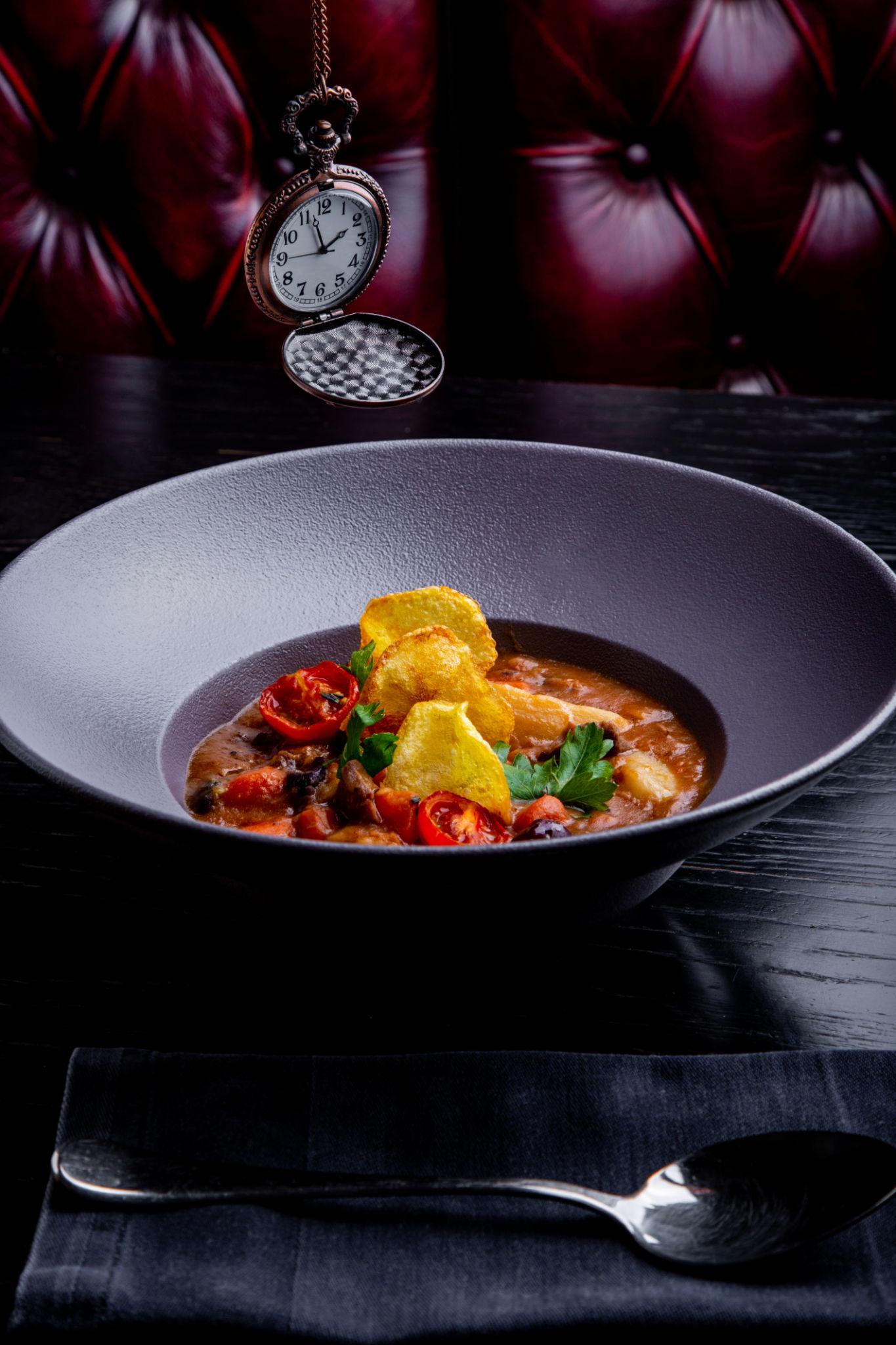
Traditional recipes connect generations through flavor, memory, and shared experience. They reflect regional ingredients, cultural identity, and cooking methods passed down through families over decades or even centuries. While these recipes remain meaningful, modern cooking techniques and ingredient choices allow them to evolve in ways that suit today’s lifestyles without losing their original character.
Updating traditional recipes does not erase history. Instead, it preserves their relevance by improving nutrition, enhancing presentation, and introducing fresh ingredients that reflect changing tastes. Across home kitchens and professional restaurants alike, cooks are finding thoughtful ways to balance heritage with innovation.
Why Traditional Recipes Continue to Evolve
Traditional recipes were shaped by the resources available at the time they were created. Many relied on preserved foods, heavier fats, and long cooking processes designed for earlier kitchen environments. Today’s kitchens offer more tools, global ingredients, and nutritional awareness, making it possible to adapt recipes thoughtfully.
Modern twists help traditional recipes:
- Fit busy schedules
- Support healthier eating habits
- Incorporate seasonal produce
- Reflect global culinary influences
- Improve texture and presentation
These adjustments allow classic dishes to remain part of everyday cooking rather than becoming occasional nostalgia meals.
Updating Pasta Dishes with Fresh Ingredients
Classic pasta recipes remain staples in many households. While traditional versions often rely on heavy sauces, modern adaptations highlight freshness and balance.
Popular improvements include:
- Replacing cream-heavy sauces with olive oil and herbs
- Adding roasted vegetables such as zucchini and bell peppers
- Using whole wheat or legume-based pasta
- Incorporating fresh basil and citrus zest
- Reducing sodium by using homemade sauces
These changes maintain the familiar comfort of pasta while creating brighter flavor profiles.
Reinventing Roast Chicken for Contemporary Kitchens
Roast chicken has long been a centerpiece of family meals. Traditional versions emphasize slow roasting with simple seasoning, but modern approaches introduce layered flavor and improved efficiency.
Common updates include:
- Dry brining instead of heavy seasoning mixtures
- Adding garlic and herb butter under the skin
- Including root vegetables that roast alongside the chicken
- Using convection roasting for even browning
- Finishing with lemon juice for brightness
These techniques preserve the essence of the dish while enhancing texture and taste.
Modernizing Rice-Based Comfort Meals
Rice-based dishes appear in many culinary traditions around the world. They are adaptable, affordable, and deeply satisfying.
Contemporary improvements often include:
- Using brown or wild rice instead of refined white rice
- Mixing grains such as quinoa or barley
- Adding roasted seasonal vegetables
- Incorporating fresh herbs instead of excess salt
- Including plant-based proteins like chickpeas or lentils
These updates increase nutritional value while maintaining familiar structure.
Refreshing Classic Soups with Seasonal Ingredients
Traditional soups often rely on slow simmering and simple pantry staples. Modern versions preserve their warmth while introducing lighter textures and brighter flavors.
Helpful adjustments include:
- Adding fresh greens such as spinach or kale
- Using vegetable-based broths instead of heavy stocks
- Blending roasted vegetables for deeper flavor
- Reducing cream without sacrificing richness
- Garnishing with fresh herbs or citrus
These improvements make soups suitable for year-round meals rather than only cold-weather comfort.
Transforming Meat Dishes with Leaner Techniques
Many traditional meat dishes were designed when physical labor required higher calorie intake. Today’s cooking styles often aim for lighter preparation without losing flavor.
Modern methods include:
- Choosing leaner cuts of meat
- Using marinades instead of heavy sauces
- Incorporating grilling or roasting instead of frying
- Adding vegetables directly into the dish
- Serving smaller portions alongside grain-based sides
These changes help traditional recipes fit contemporary dietary needs.
Updating Bread Recipes for Modern Nutrition
Bread remains one of the most recognizable traditional foods worldwide. While classic white bread remains popular, modern bakers are exploring more nutrient-rich alternatives.
Common upgrades include:
- Using whole grain flour blends
- Adding seeds such as flax or sunflower
- Incorporating sourdough fermentation methods
- Reducing refined sugar content
- Experimenting with ancient grains like spelt
These adjustments improve flavor complexity while supporting digestive health.
Reimagining Vegetable Side Dishes
Traditional vegetable dishes often relied on boiling or simple seasoning. Modern cooking techniques emphasize roasting, grilling, and layering flavors.
Examples of contemporary improvements include:
- Roasting vegetables with olive oil and herbs
- Adding toasted nuts for texture
- Incorporating citrus-based dressings
- Using spice blends for depth
- Serving vegetables as centerpiece dishes rather than side items
These changes help vegetables become more appealing and versatile.
Giving Traditional Stews a Fresh Perspective
Stews remain among the most comforting traditional meals. They are flexible and adaptable across cultures.
Modern twists often involve:
- Using leaner proteins
- Adding fresh herbs toward the end of cooking
- Including additional vegetables
- Reducing salt by enhancing natural flavors
- Serving with whole grain breads
These improvements preserve richness while supporting balanced nutrition.
Enhancing Breakfast Classics with Smart Substitutions
Traditional breakfasts often include refined grains and added sugars. Modern versions maintain familiarity while improving ingredient quality.
Common updates include:
- Using oats instead of refined cereals
- Adding fruit instead of sweet syrups
- Including nuts and seeds for texture
- Replacing butter with yogurt-based toppings
- Using whole grain flour in baked items
These changes help create sustained energy throughout the day.
Updating Traditional Desserts Without Losing Flavor
Desserts hold strong emotional connections to family traditions. Modern baking focuses on preserving taste while adjusting sweetness levels and ingredient balance.
Popular dessert improvements include:
- Reducing refined sugar content
- Adding fruit-based sweetness
- Using whole grain flours
- Incorporating yogurt instead of heavy cream
- Enhancing flavor with spices rather than extra sugar
These updates allow desserts to remain enjoyable without overwhelming richness.
Presentation Plays a Role in Modern Recipe Adaptation
Modern cooking values presentation alongside flavor. Updating plating styles can refresh traditional recipes without changing ingredients dramatically.
Simple presentation techniques include:
- Using smaller portions with colorful garnishes
- Adding fresh herbs for contrast
- Serving dishes in individual portions
- Highlighting ingredient textures
- Using layered arrangements instead of single servings
These visual improvements create a more engaging dining experience.
Incorporating Global Influences into Traditional Meals
Modern kitchens often blend culinary traditions from different regions. Adding global influences introduces new flavor combinations while respecting the original structure of classic dishes.
Examples include:
- Adding Mediterranean herbs to roasted vegetables
- Using Asian-inspired marinades with traditional meats
- Incorporating Latin American spices into grain dishes
- Combining European sauces with local ingredients
- Adding fresh citrus elements to heavier recipes
These adaptations reflect the growing diversity of modern cooking environments.
Maintaining the Identity of Traditional Recipes
Modernizing recipes works best when changes respect the spirit of the original dish. The goal is not to replace tradition but to strengthen its role in contemporary kitchens.
Successful modernization often involves:
- Preserving signature flavors
- Maintaining familiar cooking methods
- Adjusting ingredients gradually
- Keeping cultural context in mind
- Respecting original preparation techniques
These strategies ensure recipes remain recognizable even after thoughtful updates.
Traditional recipes continue to evolve because they are living parts of culinary culture. With careful adjustments and creative thinking, they remain meaningful across generations while adapting to modern tastes and lifestyles.
Frequently Asked Questions
How can I modernize traditional recipes without changing their original flavor too much
Focus on improving ingredient quality rather than replacing core components. Fresh herbs, better oils, and seasonal vegetables enhance flavor while preserving authenticity.
Are modern versions of traditional recipes always healthier
Not always. Some updates focus on presentation or cooking speed instead of nutrition. Health benefits depend on the specific ingredient choices used.
Can traditional recipes be adapted for plant-based diets
Yes. Many recipes can be modified using beans, lentils, mushrooms, or tofu while maintaining texture and flavor balance.
Do modern cooking techniques reduce cooking time for traditional meals
Often they do. Pressure cooking, convection baking, and advanced preparation tools help shorten cooking time without affecting results.
Why do younger cooks prefer modern twists on classic dishes
Younger cooks often enjoy experimenting with ingredients and presentation styles that reflect global influences and contemporary nutrition awareness.
Is it expensive to update traditional recipes with modern ingredients
Many updates rely on simple substitutions such as fresh herbs or seasonal produce, which are often affordable and widely available.
Can presentation changes alone modernize a traditional dish
Yes. Thoughtful plating, portion adjustments, and garnish choices can transform how a familiar dish feels without changing its flavor profile.