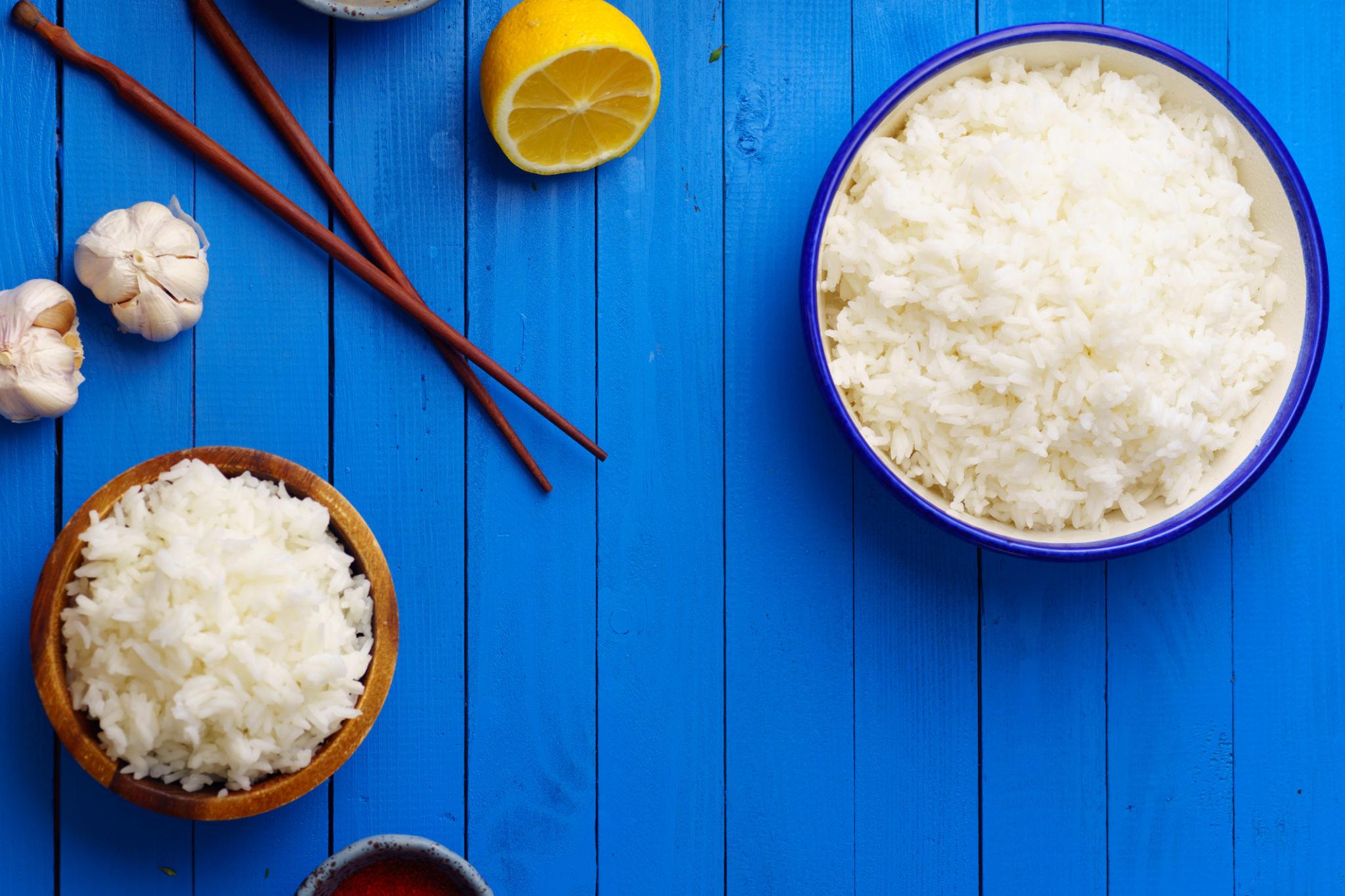
Rice is one of the most widely prepared foods in kitchens around the world. Despite its simplicity, cooking rice perfectly can feel unpredictable. Some batches turn out sticky, others dry, and sometimes the texture falls somewhere in between. The difference between average rice and perfectly cooked rice usually comes down to technique rather than ingredients.
Learning how to prepare rice properly involves understanding water ratios, cooking methods, grain varieties, and timing. With the right approach, anyone can consistently produce fluffy, tender rice with balanced texture and flavor.
Why Rice Texture Matters More Than Most People Think
Rice is often served as the foundation of a meal. Its texture influences how sauces coat the grains, how flavors develop, and how satisfying the final dish feels.
Perfect rice should be:
- Tender but not mushy
- Separate rather than clumped together
- Evenly cooked throughout
- Light and slightly springy when pressed
Achieving this consistency requires attention to both preparation and cooking techniques.
Choosing the Right Type of Rice for the Dish
Not all rice cooks the same way. Different varieties absorb water differently and produce distinct textures.
Common rice varieties include:
Long-grain rice
This variety cooks into separate, fluffy grains. It works well for everyday meals, stir-fries, and pilafs.
Medium-grain rice
Medium-grain rice becomes slightly tender and moist. It is ideal for dishes that benefit from gentle stickiness.
Short-grain rice
Short-grain rice produces a soft, cohesive texture. It is commonly used when rice needs to hold together.
Jasmine rice
Jasmine rice has a light floral aroma and cooks into soft, fluffy grains.
Basmati rice
Basmati rice remains long and separate after cooking. It pairs especially well with spiced dishes.
Choosing the correct variety improves results before cooking even begins.
Measuring Rice and Water Accurately
Water ratio is the most important factor in cooking rice successfully. Too much water produces soggy rice, while too little leaves grains undercooked.
Standard water ratios include:
- Long-grain white rice: 2 cups water to 1 cup rice
- Jasmine rice: about 1.75 cups water to 1 cup rice
- Basmati rice: about 1.5 cups water to 1 cup rice
- Brown rice: about 2.5 cups water to 1 cup rice
Adjustments may vary slightly depending on cookware and heat source, but these ratios provide reliable starting points.
Consistency in measuring ensures predictable results.
Rinsing Rice Improves Texture
Rinsing rice removes excess surface starch that can cause clumping during cooking. This step is especially important when preparing long-grain varieties.
Benefits of rinsing rice include:
- Preventing stickiness
- Improving grain separation
- Removing residual dust
- Enhancing final appearance
To rinse rice properly:
- Place rice in a bowl
- Cover with cold water
- Swirl gently with your hand
- Drain the cloudy water
- Repeat until water runs mostly clear
This simple step significantly improves texture.
Soaking Rice Before Cooking Makes a Difference
Soaking rice is optional for some varieties but highly recommended for others such as basmati and brown rice.
Advantages of soaking include:
- Shorter cooking time
- More even hydration
- Improved grain expansion
- Softer texture without overcooking
Most rice benefits from soaking for 15 to 30 minutes before cooking.
After soaking, drain thoroughly before adding fresh cooking water.
Using the Right Cooking Method
Several reliable methods exist for cooking rice. The best method depends on kitchen tools and personal preference.
Common cooking methods include:
- Stovetop simmering
- Rice cooker preparation
- Pressure cooking
- Oven baking
Each method can produce excellent results when done correctly.
Stovetop cooking remains the most widely used technique and works well for most households.
The Ideal Stovetop Rice Cooking Technique
Cooking rice on the stovetop requires careful attention to timing and heat levels.
Follow these steps for consistent results:
- Combine rice and measured water in a pot
- Bring the mixture to a gentle boil
- Reduce heat to low immediately
- Cover the pot tightly
- Simmer without lifting the lid
- Cook until water absorbs completely
- Remove from heat and rest covered
Avoid stirring rice during cooking. Stirring releases starch and can cause stickiness.
Allowing the rice to steam after cooking improves texture significantly.
Letting Rice Rest After Cooking Is Essential
Many people skip the resting step, but it plays an important role in achieving perfect texture.
Resting allows:
- Remaining steam to distribute evenly
- Grains to firm slightly
- Moisture to settle throughout the pot
Let rice rest covered for about 10 minutes before serving.
After resting, gently fluff rice with a fork instead of a spoon.
Fork fluffing keeps grains separate and light.
Choosing the Right Pot Improves Cooking Results
Cookware affects how evenly rice cooks. Thin pots may cause uneven heating, while heavy pots distribute heat more effectively.
Look for pots that provide:
- Thick bases for even heat
- Tight-fitting lids
- Appropriate size for rice quantity
A properly fitted lid prevents steam from escaping too quickly.
Steam retention helps rice cook evenly.
Avoiding Common Rice Cooking Mistakes
Even experienced cooks occasionally struggle with rice preparation. Understanding common errors helps prevent inconsistent results.
Frequent mistakes include:
- Using incorrect water ratios
- Skipping rinsing steps
- Lifting the lid too often
- Cooking at high heat too long
- Stirring during simmering
- Serving rice immediately without resting
Correcting these habits leads to better texture and consistency.
Cooking Brown Rice Successfully Requires Patience
Brown rice contains an outer bran layer that increases cooking time. It also requires more water than white rice.
Tips for cooking brown rice include:
- Rinse thoroughly before cooking
- Use slightly more water
- Simmer longer than white rice
- Allow additional resting time
Though it takes longer to cook, brown rice offers a nutty flavor and firmer texture that many people enjoy.
Enhancing Rice Flavor Without Overcomplicating It
Rice does not have to be plain. Small adjustments can improve flavor while maintaining simplicity.
Flavor-enhancing techniques include:
- Cooking rice in broth instead of water
- Adding a pinch of salt before cooking
- Including garlic or onion slices
- Mixing in herbs after cooking
- Drizzling olive oil lightly before serving
These additions create subtle depth without overwhelming the dish.
Using Rice Cookers for Reliable Results
Rice cookers simplify the cooking process by automatically adjusting temperature and timing.
Advantages of rice cookers include:
- Consistent texture
- Reduced monitoring
- Automatic shutoff features
- Ability to keep rice warm after cooking
They are especially useful for households that prepare rice frequently.
Rice cookers remove much of the guesswork involved in stovetop preparation.
Storing Cooked Rice Properly Maintains Quality
Proper storage helps preserve texture and safety after cooking.
Best storage practices include:
- Cooling rice quickly after cooking
- Refrigerating within two hours
- Using airtight containers
- Reheating thoroughly before serving
When reheating rice, adding a small amount of water restores moisture.
Proper storage prevents dryness and improves reheated texture.
Adjusting Techniques for Large Batches of Rice
Cooking rice for multiple people requires slightly different handling compared with smaller portions.
Helpful adjustments include:
- Using larger pots with tight lids
- Measuring water carefully
- Allowing extra resting time
- Fluffing gently after cooking
Maintaining correct proportions ensures consistent results regardless of batch size.
Scaling recipes successfully depends on preserving water ratios.
Understanding How Heat Control Affects Final Texture
Heat management is one of the most overlooked aspects of rice cooking.
Proper heat control includes:
- Bringing water to a boil first
- Reducing heat quickly afterward
- Maintaining gentle simmering
- Avoiding temperature fluctuations
Stable heat ensures rice cooks evenly from top to bottom.
Controlled simmering produces tender grains without burning the base.
Mastering heat control is one of the most reliable ways to improve rice quality every time.
Frequently Asked Questions
Why does my rice sometimes stick to the bottom of the pot
Rice sticks when heat is too high or water evaporates too quickly. Lowering heat and using thicker cookware usually prevents this issue.
Can I cook rice without rinsing it first
Yes, but rinsing improves texture by removing excess starch. Skipping this step often results in slightly stickier rice.
Should I add oil or butter while cooking rice
Adding a small amount of oil or butter can improve flavor and help grains remain separate, but it is optional.
Why does my rice turn out too soft even with correct measurements
Soft rice often results from cooking at too high a temperature or leaving it covered too long after cooking finishes.
Is it better to cook rice covered or uncovered
Rice should remain covered during simmering so steam stays trapped and cooks the grains evenly.
How can I prevent rice from becoming dry after reheating
Add a small splash of water before reheating and cover the container to restore moisture during warming.
Can different types of rice be cooked together in one pot
It is not recommended because different rice varieties require different water ratios and cooking times, which leads to uneven texture.