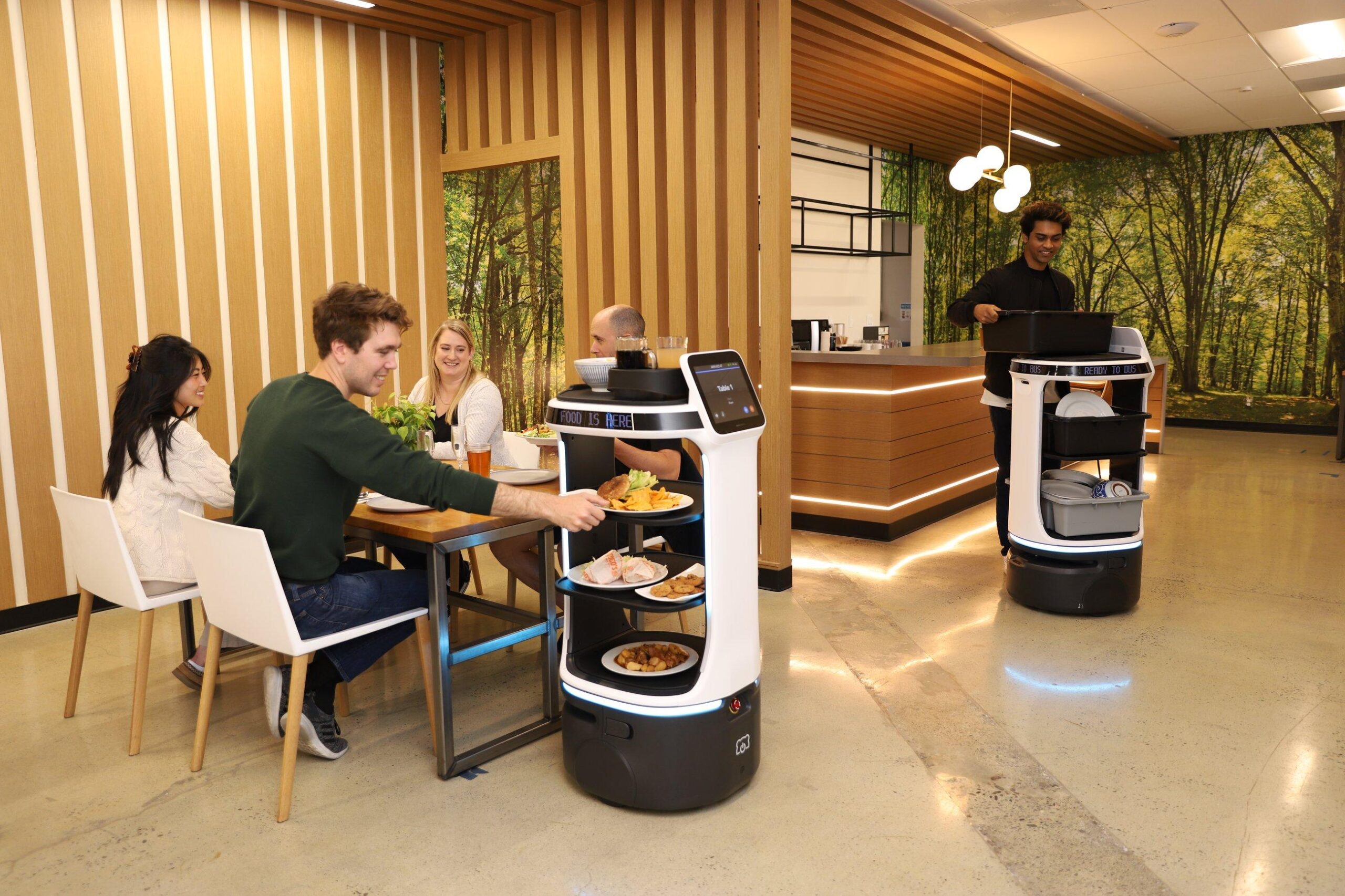
The restaurant industry is changing faster than at any time in its history. Advances in technology, shifting customer expectations, and new approaches to sustainability are reshaping how restaurants operate and how people experience dining. What once depended entirely on manual labor and face-to-face ordering is becoming increasingly supported by automation, smart systems, and data-driven decision making.
Future innovations are not replacing hospitality. Instead, they are enhancing efficiency, improving consistency, and allowing restaurants to focus more attention on customer experience. From kitchen automation to personalized menus, the next generation of dining environments is already taking shape.
Smart Kitchens Are Increasing Speed and Accuracy
One of the most significant changes happening in restaurants today involves the rise of smart kitchen technology. These systems help chefs maintain consistency while improving workflow during busy service periods.
Smart kitchens often include:
- Automated cooking equipment that regulates temperature precisely
- Sensors that monitor food preparation time
- Digital recipe management systems
- Equipment that tracks ingredient usage in real time
- Alerts that prevent overcooking or undercooking
These tools allow kitchens to operate with fewer delays and fewer errors. Staff members can focus on presentation and creativity while technology supports timing and accuracy.
Smart kitchens are especially valuable during peak service hours when coordination becomes more challenging.
Artificial Intelligence Is Improving Restaurant Operations
Artificial intelligence is becoming a powerful tool in restaurant management. Instead of relying only on experience or intuition, restaurant owners can now analyze customer behavior and operational patterns through predictive systems.
AI supports restaurants in several ways:
- Forecasting customer traffic patterns
- Optimizing staff scheduling
- Suggesting menu adjustments
- Managing inventory automatically
- Predicting ingredient shortages before they happen
These improvements reduce waste and help restaurants operate more efficiently while maintaining service quality.
AI-driven insights also help restaurants respond quickly to changes in customer preferences.
Contactless Ordering Is Redefining Customer Experience
Digital ordering has become a central feature of modern restaurants. Customers increasingly expect flexible ordering options that reduce wait times and simplify payment.
Contactless ordering technologies include:
- QR code menus accessible from smartphones
- Tabletop ordering tablets
- Self-service kiosks
- Mobile app ordering systems
- Integrated digital payment platforms
These tools allow guests to control their dining pace while reducing pressure on service staff during busy hours.
Restaurants benefit from improved order accuracy and faster table turnover.
Robotics Are Supporting Kitchen and Service Tasks
Robotics are no longer experimental concepts in the restaurant industry. Many restaurants already use automated systems to assist with repetitive tasks that require consistency and precision.
Examples of robotic support include:
- Automated fry stations
- Robotic beverage preparation systems
- Conveyor-based food delivery inside kitchens
- Service robots delivering dishes to tables
- Dishwashing automation systems
These technologies reduce workload strain on employees and allow staff members to focus on customer interaction and quality control.
Robotics also improve workplace safety by reducing exposure to heat-intensive cooking environments.
Data Analytics Is Driving Smarter Decision Making
Restaurants generate large amounts of operational data every day. Modern analytics platforms help transform that information into actionable insights.
Data-driven decisions support improvements such as:
- Identifying best-selling menu items
- Tracking ingredient demand trends
- Adjusting pricing strategies
- Monitoring peak service windows
- Understanding customer visit frequency
With better visibility into operations, restaurant managers can respond more quickly to changes in demand and customer behavior.
This flexibility strengthens long-term business stability.
Sustainable Practices Are Becoming Industry Standards
Environmental responsibility is no longer optional for restaurants. Customers increasingly expect businesses to reduce waste and operate responsibly.
Future-focused sustainability innovations include:
- Compostable packaging materials
- Energy-efficient cooking equipment
- Smart refrigeration monitoring systems
- Water-saving dishwashing technology
- Local ingredient sourcing partnerships
These improvements reduce environmental impact while also lowering operating costs over time.
Sustainability is becoming part of brand identity for many restaurants.
Personalized Dining Experiences Are Expanding
Technology now allows restaurants to customize dining experiences more precisely than ever before. Personalized service is becoming a major competitive advantage.
Examples of personalization include:
- Digital menus that adjust based on dietary preferences
- Loyalty programs tracking favorite dishes
- App-based ordering history suggestions
- Customized promotions for returning guests
- Adaptive lighting and music environments
Personalization creates stronger customer relationships and encourages repeat visits.
Guests increasingly appreciate experiences that reflect their individual preferences.
Cloud Kitchens Are Changing Restaurant Business Models
Cloud kitchens operate without traditional dining rooms. Instead, they focus entirely on delivery-based service models supported by digital ordering platforms.
Benefits of cloud kitchens include:
- Lower rental costs
- Flexible menu experimentation
- Faster expansion opportunities
- Reduced staffing requirements
- Efficient production workflows
These kitchens allow restaurant brands to expand into new neighborhoods without opening full-service locations.
Cloud kitchens are especially effective in densely populated urban areas where delivery demand remains high.
Augmented Reality Is Enhancing Menu Exploration
Augmented reality is beginning to change how customers interact with menus. Instead of reading descriptions alone, diners can preview dishes visually before ordering.
Potential uses of augmented reality include:
- Viewing portion sizes before selection
- Exploring ingredient details interactively
- Understanding preparation techniques
- Visualizing plating styles
- Learning about sourcing information
This technology increases confidence in ordering decisions and enhances engagement during the dining experience.
Augmented reality may become a standard feature in digital restaurant menus in the coming years.
Voice Technology Is Simplifying Ordering Processes
Voice-assisted ordering systems are becoming more common across hospitality environments. These systems help customers place orders quickly while improving accessibility.
Voice ordering applications include:
- Drive-through automation systems
- Smart speaker ordering integration
- Voice-enabled kitchen coordination tools
- Hands-free staff communication support
Voice systems reduce friction during ordering and help restaurants maintain service speed during busy hours.
They also improve convenience for customers who prefer hands-free interaction.
Smart Inventory Systems Are Reducing Food Waste
Inventory management has traditionally relied on manual tracking methods. Today’s smart inventory systems automate monitoring and help restaurants reduce unnecessary waste.
Modern inventory solutions support:
- Real-time ingredient tracking
- Expiration date monitoring
- Automatic restocking alerts
- Usage trend analysis
- Supplier coordination improvements
Reducing waste helps restaurants save money while improving sustainability performance.
It also ensures ingredient availability during peak service periods.
Delivery Technology Is Expanding Restaurant Reach
Delivery platforms continue to transform how restaurants connect with customers. Future innovations are improving both speed and reliability across delivery operations.
Emerging delivery technologies include:
- Route optimization software
- Temperature-controlled transport systems
- Automated dispatch coordination
- Integrated kitchen-to-driver communication tools
- Contactless delivery verification systems
These systems allow restaurants to maintain food quality even when meals travel longer distances.
Delivery innovation is helping restaurants serve customers beyond traditional dining room capacity.
Workforce Technology Is Supporting Employee Efficiency
Restaurant staff benefit from technology that simplifies scheduling, training, and communication. Workforce platforms help teams stay organized even during busy service periods.
Examples of workforce support tools include:
- Mobile scheduling applications
- Digital training modules
- Real-time shift coordination systems
- Task management dashboards
- Internal messaging platforms
These tools improve communication across teams and reduce scheduling conflicts.
Stronger coordination leads to better service consistency.
Smart Dining Spaces Are Enhancing Guest Comfort
Restaurant interiors are evolving alongside operational technology. Smart dining environments create more flexible and comfortable experiences for guests.
Features of smart dining spaces may include:
- Adaptive lighting based on time of day
- Noise-level monitoring systems
- Climate-controlled seating zones
- Wireless charging surfaces built into tables
- Interactive reservation check-in systems
These improvements make dining environments more welcoming and convenient.
Comfort-focused innovation encourages longer visits and stronger customer loyalty.
The Role of Human Hospitality in a Technology-Driven Future
Despite rapid innovation, technology will not replace human hospitality. Restaurants remain social spaces where people gather, celebrate milestones, and connect with others.
Future innovations are designed to support staff rather than replace them. By reducing repetitive tasks and improving coordination, technology allows employees to spend more time focusing on service quality.
The restaurants that succeed in the future will balance automation with genuine hospitality. That balance will define the next generation of memorable dining experiences.
Frequently Asked Questions
Will automation replace restaurant workers completely
Automation is designed to support staff rather than replace them. Most technologies handle repetitive tasks so employees can focus more on customer interaction and service quality.
Are smart restaurants more expensive to operate
Initial setup costs can be higher, but many smart technologies reduce long-term expenses through improved efficiency and reduced waste.
How do personalized menus protect customer privacy
Restaurants typically store preference data securely and allow customers to control what information they choose to share through apps or loyalty programs.
Can small restaurants benefit from new restaurant technologies
Yes. Many tools such as digital ordering platforms and inventory tracking systems are scalable and affordable for smaller operations.
Are delivery-only kitchens replacing traditional restaurants
Delivery-focused kitchens are expanding quickly, but traditional dining spaces continue to play an important role in social and experiential dining.
How does augmented reality improve ordering accuracy
Seeing realistic dish previews helps customers better understand portion sizes and ingredients before making selections.
What role does sustainability play in future restaurant innovation
Sustainability is becoming central to restaurant operations because it reduces environmental impact while improving efficiency and customer trust.