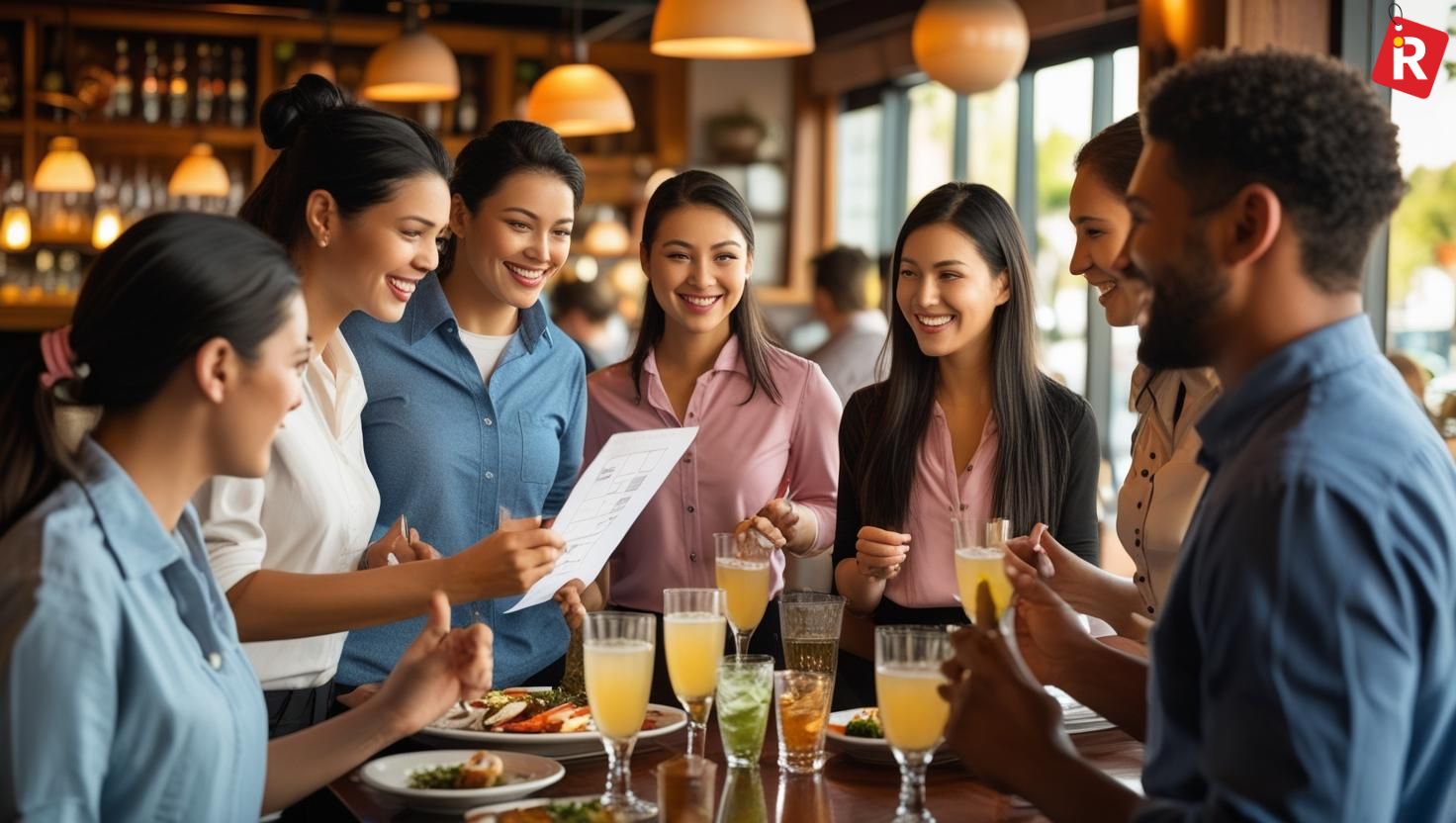
High-volume rush hours are the defining moments of a restaurant’s daily operations. Whether during lunch breaks in business districts or dinner service on weekends, these intense periods test every part of the system at once. Orders arrive rapidly, expectations rise, and timing becomes critical. Restaurants that manage rush hours effectively rely on preparation, communication, workflow design, and trained staff working together as a coordinated team.
Understanding how restaurants handle peak traffic reveals the strategies that keep service efficient while maintaining food quality and customer satisfaction.
What Counts as a Restaurant Rush Hour
Rush hours occur when customer demand sharply increases within a short window of time. These periods vary depending on the restaurant’s concept, location, and customer base.
Typical high-volume periods include:
- Weekday lunch hours between noon and 2 PM
- Weekend dinner service from 6 PM to 9 PM
- Holiday evenings
- Event-based surges near stadiums or theaters
- Late-night traffic in urban entertainment districts
Restaurants prepare differently depending on the expected volume during each type of rush window.
Pre-Service Preparation Sets the Foundation
The most important work happens before customers arrive. Restaurants that handle rush hours smoothly rely on strong preparation earlier in the day.
Key preparation steps include:
- Chopping vegetables and portioning proteins
- Preparing sauces in advance
- Stocking cooking stations
- Checking equipment functionality
- Reviewing reservation counts
- Assigning staff roles
This preparation process is known as mise en place, a kitchen philosophy that ensures everything is ready before service begins.
When preparation is thorough, kitchens can focus entirely on execution during peak hours instead of scrambling for ingredients.
Smart Staffing Strategies Make Service Possible
Staff scheduling plays a central role in managing high-volume service. Restaurants carefully match employee availability with expected traffic patterns.
Effective staffing strategies include:
- Scheduling additional cooks during peak windows
- Assigning experienced servers to busy sections
- Positioning hosts to control seating flow
- Adding support staff such as food runners
- Coordinating bartenders with dining room activity
Managers often review historical sales data to predict staffing needs accurately.
Having the right number of employees at the right time prevents bottlenecks and keeps service moving steadily.
The Importance of Clear Station Assignments
In professional kitchens, each cook works at a dedicated station with specific responsibilities. This division of labor allows multiple dishes to be prepared simultaneously without confusion.
Common kitchen stations include:
- Grill station for meats and vegetables
- Saute station for quick pan dishes
- Fry station for crisp items
- Pantry station for salads and cold plates
- Expo station for order coordination
During rush hours, clearly defined roles ensure speed and consistency across dozens or even hundreds of orders.
Without station structure, kitchens would quickly become overwhelmed.
Reservation Systems Help Control Customer Flow
Reservations are one of the most effective tools restaurants use to manage busy service periods. Instead of seating all guests at once, reservations allow dining rooms to distribute arrivals evenly.
Benefits of reservation systems include:
- Predictable customer traffic
- Improved staff scheduling accuracy
- Reduced wait times
- Better kitchen pacing
- Higher customer satisfaction
Even restaurants that accept walk-in guests often reserve a portion of tables to maintain balance during peak periods.
Hosts Play a Critical Role in Managing the Dining Room
The host stand acts as the control center for seating operations. During rush hours, hosts carefully time table assignments to prevent overwhelming the kitchen.
Host responsibilities include:
- Greeting arriving guests
- Managing waitlists
- Coordinating with servers
- Monitoring table turnover speed
- Adjusting seating pace based on kitchen capacity
Strategic seating prevents too many orders from entering the kitchen at once.
This pacing system protects both staff efficiency and food quality.
Communication Keeps the Entire Team Coordinated
Rush hours demand constant communication between the kitchen and the dining room. Small misunderstandings can quickly create delays if not addressed immediately.
Restaurants rely on communication tools such as:
- Kitchen display systems
- Order tickets
- Headset communication
- Verbal confirmations between staff members
- Expo station coordination
The expo station plays a particularly important role by checking completed dishes before they leave the kitchen.
This ensures accuracy and presentation consistency.
Streamlined Menus Improve Speed During Peak Service
Many restaurants intentionally design menus that support fast execution during busy periods. Complex recipes requiring long preparation times can slow the entire system.
Rush-hour-friendly menus often feature:
- Ingredients shared across multiple dishes
- Limited customization options
- Efficient cooking techniques
- Balanced preparation times
- Items that hold quality during short delays
These design decisions allow kitchens to maintain speed without sacrificing standards.
Menu engineering is one of the most overlooked tools in high-volume service success.
Technology Helps Restaurants Stay Organized
Modern restaurants rely heavily on technology to manage rush-hour pressure. Digital tools reduce errors and improve communication between staff members.
Common systems include:
- Point-of-sale platforms
- Kitchen display screens
- Online reservation tracking
- Inventory monitoring tools
- Mobile ordering integration
These technologies help staff track orders in real time and adjust workflows as needed.
They also reduce the risk of lost or delayed tickets.
Food Runners Improve Service Efficiency
Food runners act as a bridge between the kitchen and the dining room. Instead of servers leaving their sections repeatedly to pick up plates, runners deliver dishes directly to tables.
Advantages of using food runners include:
- Faster table service
- Better order accuracy
- Reduced server workload
- Improved kitchen workflow
- Increased dining room coverage
During peak service, runners help maintain steady movement across the restaurant floor.
Table Turnover Timing Influences Rush Hour Success
Restaurants monitor how long guests stay at tables during busy periods. Faster turnover allows more customers to be served without increasing seating capacity.
Strategies that support efficient turnover include:
- Prompt drink service
- Timely order taking
- Coordinated course delivery
- Quick payment processing
- Clear communication with waiting guests
Efficient turnover improves revenue while maintaining a positive guest experience.
Kitchen Workflow Design Supports Speed and Safety
Professional kitchens are designed to minimize unnecessary movement. During rush hours, even small inefficiencies can slow production.
Effective kitchen layouts include:
- Logical station placement
- Shared ingredient access points
- Clearly marked storage zones
- Separate prep and cooking areas
- Dedicated plating surfaces
These design features help cooks maintain rhythm during intense service windows.
Efficiency in movement translates directly into faster order completion.
Training Prepares Staff for High-Pressure Situations
Handling rush hours successfully requires practice and experience. Restaurants invest significant time training employees before assigning them to peak service shifts.
Training often includes:
- Menu memorization
- Order timing awareness
- Communication protocols
- Equipment familiarity
- Conflict resolution techniques
Well-trained staff respond more confidently when unexpected challenges occur during busy service.
Confidence helps maintain consistency even under pressure.
Backup Plans Prevent Service Disruptions
Unexpected issues can arise during any rush period. Equipment failures, ingredient shortages, or staffing changes can affect operations if not addressed quickly.
Restaurants prepare backup plans such as:
- Keeping spare ingredients available
- Assigning floating support staff
- Maintaining alternative menu options
- Monitoring equipment before service begins
- Adjusting seating pace when needed
Flexibility allows restaurants to adapt without compromising customer experience.
Leadership Keeps the Team Focused During Peak Hours
Managers and head chefs play essential roles during rush periods. Their leadership helps maintain structure and calm across the team.
Leadership responsibilities include:
- Monitoring ticket times
- Supporting overloaded stations
- Communicating with hosts
- Resolving customer concerns quickly
- Maintaining service standards
Strong leadership ensures that small problems do not become larger disruptions.
This guidance keeps operations steady even during the busiest moments.
Why Consistency Matters More Than Speed Alone
Speed is important during rush hours, but consistency matters even more. Customers expect reliable quality regardless of how busy the restaurant becomes.
Consistency depends on:
- Standardized recipes
- Portion control systems
- Coordinated timing across stations
- Quality checks before service delivery
- Ongoing staff training
Restaurants that maintain consistency during peak service build stronger customer trust over time.
Reliable experiences encourage repeat visits and long-term loyalty.
Frequently Asked Questions
How do restaurants predict when rush hours will happen
Restaurants analyze past sales records, reservation trends, local event calendars, and seasonal traffic patterns to estimate when peak service periods will occur.
Why do some restaurants limit menu options during busy times
Reducing menu complexity helps kitchens prepare dishes faster and maintain consistent quality when handling large numbers of orders simultaneously.
How do kitchens avoid mixing up multiple orders at once
Kitchen display systems, order numbering, and station coordination help track each ticket accurately from preparation to delivery.
What happens if a restaurant becomes unexpectedly busier than planned
Managers may adjust seating pace, temporarily pause new reservations, simplify menu offerings, or reassign staff roles to handle increased demand.
Why are experienced servers often scheduled during peak hours
Experienced servers can manage multiple tables efficiently, communicate clearly with kitchen staff, and resolve customer concerns quickly during high-pressure situations.
Do restaurants prepare extra food before rush hours begin
Yes, many ingredients are prepped in advance so cooks can assemble dishes quickly once orders begin arriving.
How do restaurants maintain food safety during busy service periods
Strict temperature monitoring, organized storage systems, and clearly assigned handling responsibilities ensure safety standards remain consistent even during peak demand.